
Cotton vs Poly Cotton Fabric for School Uniforms
Compare cotton and poly cotton fabrics to understand their comfort, breathability, durability, maintenance, cost, and overall performance. This comprehensive guide helps schools choose the best fabric for comfortable, long-lasting, and high-quality school uniforms.
Introduction
Selecting the right fabric is one of the most important decisions when designing school uniforms. The fabric directly affects student comfort, durability, appearance, maintenance, and the overall lifespan of the uniform. A well-chosen fabric helps students stay comfortable throughout the school day while reducing replacement costs for both schools and parents.
Among the most widely used school uniform fabrics, Cotton and Poly Cotton remain the most popular choices. Cotton is appreciated for its natural softness and breathability, while Poly Cotton combines the comfort of cotton with the strength, wrinkle resistance, and easy maintenance of polyester. Understanding the differences between these fabrics helps schools make better purchasing decisions based on climate, budget, and daily usage.
In this guide, we compare Cotton and Poly Cotton fabrics across comfort, durability, breathability, maintenance, colour retention, cost, and overall performance. Whether you're a school administrator, procurement manager, uniform supplier, or parent, this comparison will help you choose the most suitable fabric for long-lasting and comfortable school uniforms.
Why This Guide Matters
Choosing the right fabric impacts not only the appearance of a school uniform but also student comfort, long-term durability, maintenance costs, and parent satisfaction. This comparison guide provides practical insights to help schools select the best fabric for their specific requirements.
What is Cotton Fabric?
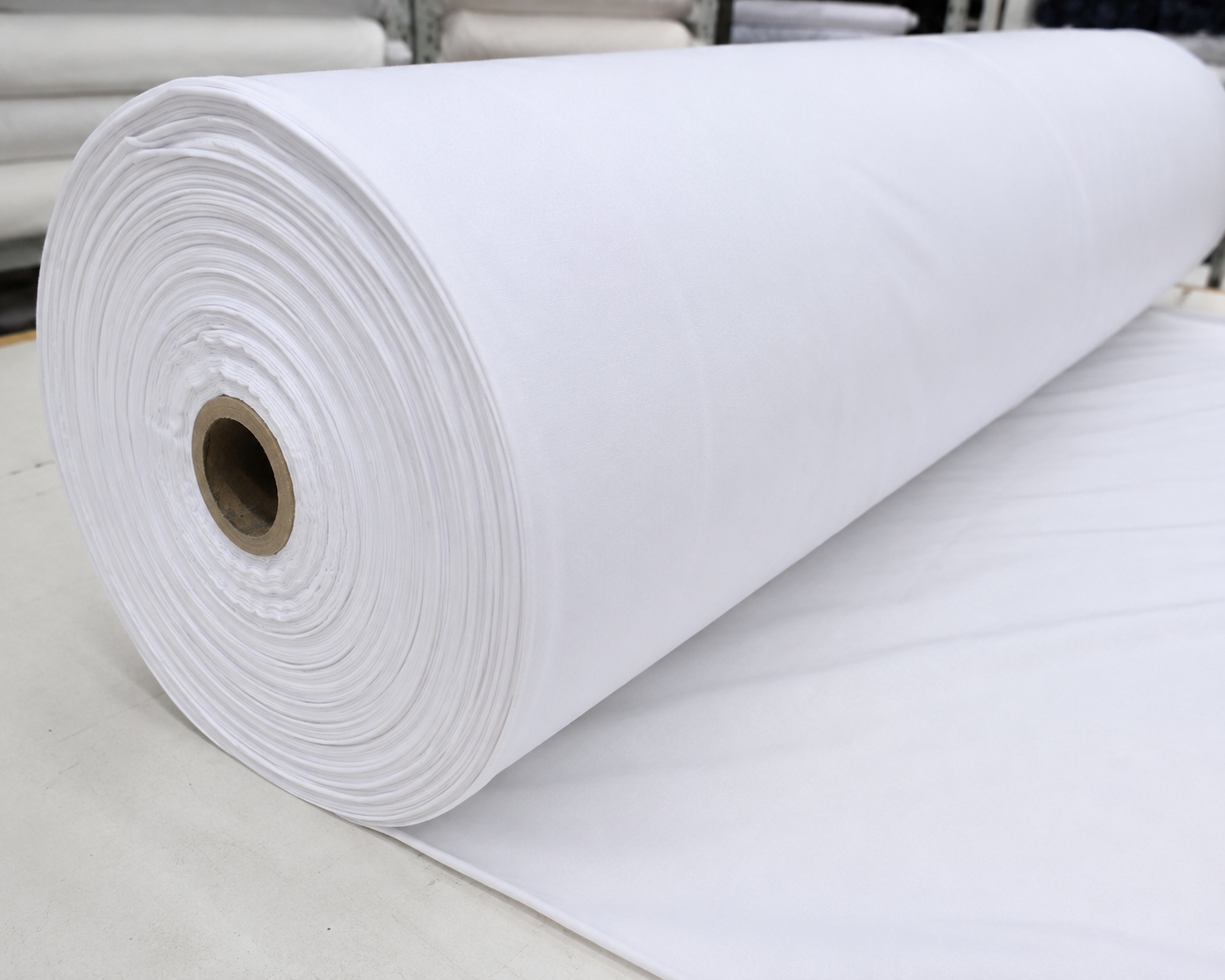
Cotton is a natural fibre obtained from the cotton plant and is one of the most widely used textile materials in the world. Its exceptional softness, breathability, and skin-friendly nature make it one of the most preferred fabrics for school uniforms, especially in regions with warm and humid climates.
The natural fibres allow air to circulate freely and absorb moisture efficiently, helping students remain cool and comfortable throughout long school hours. Cotton is also gentle on sensitive skin, making it an excellent choice for young children and everyday school wear.
Although cotton provides unmatched comfort, it generally requires more maintenance than blended fabrics. It wrinkles easily, dries more slowly after washing, and may shrink slightly if proper washing instructions are not followed.
๐ฟ Key Characteristics
โข 100% Natural Fibre
โข Extremely Soft & Comfortable
โข Excellent Breathability
โข High Moisture Absorption
โข Skin-Friendly for Daily Wear
๐ซ Best Used For
โข Summer School Uniforms
โข Kindergarten Uniforms
โข Daily Classroom Wear
โข Warm & Humid Regions
โข Students with Sensitive Skin
What is Poly Cotton Fabric?
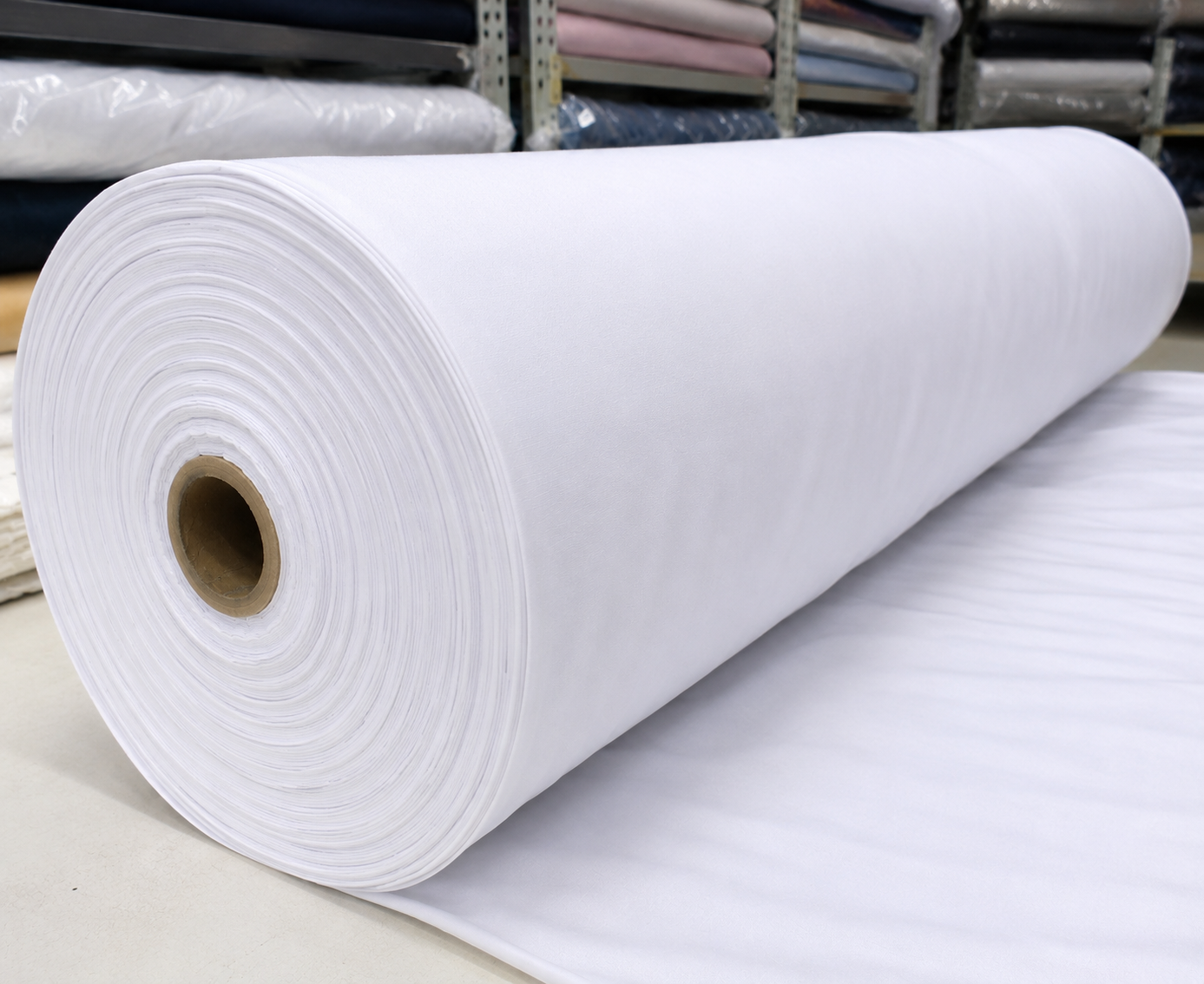
Poly Cotton is a blended fabric made by combining natural cotton fibres with durable polyester fibres. This combination offers the softness and breathability of cotton while adding the strength, wrinkle resistance, and easy maintenance of polyester, making it one of the most popular fabrics for modern school uniforms.
Compared to pure cotton, Poly Cotton is more durable, dries faster after washing, and maintains its shape even after repeated use. It also resists wrinkles better, reducing the need for frequent ironing and making daily maintenance easier for parents and schools.
Because of its excellent balance between comfort, durability, appearance, and affordability, Poly Cotton has become the preferred choice for many schools across India. It performs well in daily classroom use and provides long-lasting value for large-scale school uniform programs.
๐งต Key Characteristics
โข Cotton & Polyester Blend
โข Strong & Durable Fabric
โข Wrinkle Resistant
โข Faster Drying Time
โข Easy to Maintain
๐ซ Best Used For
โข Daily School Uniforms
โข Large Student Uniform Programs
โข Schools Seeking Low Maintenance
โข Regular Classroom Wear
โข Cost-Effective Uniform Solutions
Cotton vs Poly Cotton Comparison
Both Cotton and Poly Cotton fabrics have their own strengths. The right choice depends on your school's climate, budget, maintenance requirements, and daily usage. The comparison below highlights the key differences to help schools make an informed decision.
| Feature | Cotton Fabric | Poly Cotton Fabric |
|---|---|---|
| Comfort | โญโญโญโญโญ Winner | โญโญโญโญโ |
| Breathability | โญโญโญโญโญ Winner | โญโญโญโญโ |
| Durability | โญโญโญโโ | โญโญโญโญโญ Winner |
| Wrinkle Resistance | โญโญโโโ | โญโญโญโญโญ Winner |
| Maintenance | Requires More Care | Easy to Maintain Winner |
| Drying Time | Slower | Faster Winner |
| Colour Retention | Good | Excellent Winner |
| Cost | Generally Higher | More Economical Winner |
| Best For | Summer & Sensitive Skin | Daily School Uniforms Recommended |
Which Fabric is Better for School Uniforms?
There is no single fabric that is perfect for every school. The ideal choice depends on your school's climate, budget, maintenance expectations, and the daily activities of students. The recommendations below can help schools select the most suitable fabric for different situations.
โ๏ธ Choose Cotton If...
โข Your school is located in a hot or humid region.
โข Student comfort is your highest priority.
โข You want a natural, breathable fabric.
โข The uniforms are mainly used during summer.
โข You are comfortable with slightly higher maintenance.
๐ซ Choose Poly Cotton If...
โข You need uniforms for daily use throughout the year.
โข Durability and long life are important.
โข Parents prefer low-maintenance uniforms.
โข You want wrinkle-resistant fabric.
โข Budget and long-term value are major considerations.
๐ Our Recommendation
For most schools, Poly Cotton is the preferred choice because it offers the best balance of comfort, durability, easy maintenance, colour retention, and cost-effectiveness. However, schools located in very hot climates or institutions prioritising maximum comfort may choose Cotton for selected uniforms or summer collections. Many schools also adopt a mixed approach by using Cotton for summer uniforms and Poly Cotton for regular daily wear.
Expert Buying Tips
Selecting the right fabric is an important long-term investment for every school. Before finalising your uniform fabric, consider these expert recommendations to ensure better durability, student comfort, and value for money.
Consider Your Local Climate
Schools located in hot and humid regions should prioritise breathable fabrics such as Cotton, while schools looking for an all-season solution may benefit from Poly Cotton's balanced performance.
Request Fabric Samples
Always inspect actual fabric samples before placing a bulk order. Check softness, GSM, colour consistency, shrinkage, and overall finishing to avoid future quality issues.
Think Beyond Initial Cost
A slightly higher investment in quality fabric often results in longer-lasting uniforms, lower replacement costs, and better parent satisfaction over the academic year.
Choose a Reliable Uniform Supplier
Work with an experienced supplier who can provide consistent fabric quality, bulk manufacturing capability, colour matching, and reliable after-sales support for your institution.
Fabric Care & Maintenance Tips
Proper care helps school uniforms maintain their appearance, colour, comfort, and durability throughout the academic year. Following these simple maintenance practices can significantly increase the lifespan of both Cotton and Poly Cotton uniforms.
Wash with Mild Detergent
Use a gentle detergent and avoid harsh chemicals or bleach to protect fabric fibres and preserve colour quality.
Use Cold or Lukewarm Water
Washing uniforms in cold or lukewarm water reduces shrinkage and helps maintain the original fabric texture.
Dry Naturally
Whenever possible, dry uniforms in natural shade instead of direct sunlight to minimise colour fading and extend fabric life.
Iron at the Correct Temperature
Always follow the recommended ironing temperature for the specific fabric to avoid damaging fibres or leaving shiny marks.
How Cotton & Poly Cotton Fabric is Manufactured
Understanding the manufacturing process helps schools and buyers appreciate the quality, durability, and performance of school uniform fabrics. While Cotton and Poly Cotton differ in composition, both undergo carefully controlled textile manufacturing processes before becoming finished fabric rolls.
Raw Fibre Collection
Natural cotton fibres are harvested from cotton plants, while polyester fibres are produced through industrial manufacturing before blending.
Cleaning & Processing
Cotton fibres are cleaned to remove seeds and impurities, while polyester fibres are prepared for blending with natural cotton.
Spinning
The fibres are spun into strong yarns with consistent thickness to ensure durability and smooth weaving.
Weaving
The prepared yarns are woven together using modern weaving machines to create durable fabric with uniform construction.
Dyeing & Finishing
The fabric is dyed according to school colour requirements and receives finishing treatments for softness, wrinkle resistance, and colour stability.
Quality Inspection
Every fabric batch is inspected for colour consistency, GSM, strength, weaving quality, and overall finishing before packing.
๐ก Expert Insight
The quality of school uniform fabric depends not only on the raw materials but also on spinning, weaving, dyeing, and finishing techniques. Choosing fabric from experienced manufacturers helps ensure consistent colour, durability, comfort, and long-term performance throughout the academic year.
Frequently Asked Questions
Here are some of the most common questions schools, parents, and uniform buyers ask when comparing Cotton and Poly Cotton fabrics for school uniforms.
Which fabric is better for daily school uniforms?
Is Cotton more comfortable than Poly Cotton?
Which fabric lasts longer?
Which fabric is easier to maintain?
Can schools use both fabrics?
How should schools choose the right fabric supplier?
Need Help Choosing the Right School Uniform Fabric?
Selecting the right fabric is one of the most important decisions for any school uniform program. UniformWala helps educational institutions choose premium-quality fabrics based on climate, comfort, durability, maintenance, budget, and long-term performance.
๐งต Fabric Consultation
Expert guidance for selecting Cotton, Poly Cotton, PV, Terry Cotton, and other school uniform fabrics.
๐ Sample Support
Fabric swatches, colour matching, GSM selection, and sample approval assistance.
๐ซ Institutional Supply
Bulk manufacturing and customised school uniform solutions across India.
๐ Pan India Delivery
Reliable production, timely delivery, and dedicated institutional support.
Related Fabric Guides
Terry Cotton vs PV Fabric
Compare Terry Cotton and PV fabrics to understand which option offers better durability, comfort, and value for school uniforms.
Read Guide โBest Blazer Fabric for Schools
Learn how to choose premium blazer fabrics based on climate, durability, appearance, and institutional requirements.
Read Guide โWinter Uniform Fabric Guide
Explore fleece, wool blends, knitted fabrics, and other winter materials suitable for school uniforms.
Read Guide โSports Uniform Fabric Guide
Discover breathable sports fabrics designed for student comfort, flexibility, and moisture management.
Read Guide โ